
A painful abdomen, a new lump, or a recurring skin problem does not automatically mean you need an operation. By separating emergency warning signs from conditions suited to medicines, observation, drainage, minor procedures, or planned surgery, you can seek the right level of care and arrive prepared for an informed decision.
Key takeaways
- Seek emergency care for worsening abdominal pain, vomiting, swelling, or inability to pass gas.
- Appendicitis, infected gallstones, and painful hernias often need prompt surgical assessment.
- Drainage, medicines, or planned monitoring may treat selected conditions without immediate surgery.
- Bring your medicines, test reports, allergies, and a clear symptom timeline to review.
Recognise the Signs That Need Emergency Assessment
Worsening right-lower abdominal pain needs emergency assessment, especially with fever, loss of appetite, or pain that increases when you move. Do not wait for a routine surgical appointment if you have persistent vomiting, abdominal swelling, or cannot pass stool or gas.
| Situation | Warning signs | What to do |
|---|---|---|
| Possible appendicitis | Worsening right-lower abdominal pain, fever, vomiting, or a rigid abdomen | Seek emergency assessment |
| Trapped hernia | A painful bulge that will not go back in, vomiting, abdominal swelling, skin discoloration, or weakness | Go to an emergency department immediately |
| Bowel obstruction | Cramping pain, repeated vomiting, abdominal swelling, and inability to pass stool or gas | Do not eat or wait at home |
| Serious infection or bleeding | Fever with spreading redness, faintness, confusion, black stools, or vomiting blood | Call emergency services or attend the nearest emergency department |
A painful, irreducible hernia can trap bowel and cut off its blood supply. That is an emergency general surgery problem, not a condition to monitor until clinic hours.
Seek urgent care for sudden severe abdominal pain, a rapidly enlarging lump, or pain with dizziness and cold, clammy skin. Do not drive yourself if you feel faint, confused, or severely unwell. Even when surgery is not required, emergency assessment identifies obstruction, perforation, internal bleeding, or infection before the condition becomes harder to treat.
When Appendicitis, Gallstones, and Hernias Shift Toward Surgery
An operation becomes more likely when the condition is causing repeated attacks, threatens blood supply, has spread infection, or is unlikely to resolve safely with observation. Examination, blood tests, ultrasound or CT, and the patient’s overall health help determine the risk.
- Appendicitis: Appendicitis surgery remains the usual treatment for most confirmed cases. Carefully selected adults with imaging-confirmed uncomplicated appendicitis may discuss antibiotics for uncomplicated appendicitis instead, but an appendicolith, perforation, abscess, generalized peritonitis, worsening pain, or clinical deterioration makes nonoperative treatment a poor choice. Antibiotics also carry a risk of recurrence.
- Gallstones: Gallbladder stones found incidentally without symptoms usually need no operation. Repeated biliary-colic attacks, acute cholecystitis, gallstone pancreatitis, or stones in the common bile duct shift the decision toward treatment.
For a fit patient with acute cholecystitis, early laparoscopic cholecystectomy during the same admission is usually preferred; a duct stone may also require endoscopic removal.
- Hernias: A reducible hernia without troubling symptoms may be observed or scheduled for repair after discussion of risk. Sudden pain, inability to push it back, vomiting, abdominal swelling, skin discoloration, or illness suggests trapped or damaged bowel and requires urgent surgical assessment.
Medical treatment is not a failure when it fits the diagnosis. Surgery becomes the safer option when symptoms persist, anatomy blocks recovery, or delayed treatment could cause perforation, obstruction, infection, or loss of blood supply.
When Drainage, Medicines, or Planned Treatment Is Enough
A stable condition with no spreading infection, trapped tissue, or organ damage can often start without an operation. The plan changes when pain, fever, vomiting, swelling, or examination findings show that medicine is not controlling the problem.
| Condition | Initial option | When it becomes unsafe |
|---|---|---|
| Pilonidal disease | Keep the cleft clean and dry; treat a small infection with prescribed medicine. | A painful, fluctuant abscess needs abscess drainage; recurrent disease may need planned excision. |
| Diverticulitis | Fluids, dietary adjustment, and antibiotics for selected uncomplicated cases; a small diverticular abscess may respond to antibiotics. | Drain larger or inaccessible abscesses. Surgery becomes more likely with perforation, peritonitis, fistula, obstruction, stricture, or failed treatment. |
| Adhesive bowel obstruction | Bowel rest, intravenous fluids, electrolyte correction, and often nasogastric decompression. This is monitored bowel obstruction treatment. | Peritonitis, strangulation, ischemia, perforation, worsening pain, or clinical deterioration demands urgent surgery; a stable trial is usually limited to about 72 hours. |
| Appendicitis | Carefully selected adults with imaging-confirmed uncomplicated disease may discuss antibiotics alone. | An appendicolith, perforation, abscess, generalized peritonitis, or deterioration makes appendectomy safer; recurrence remains possible. |
| Acute cholecystitis | Antibiotics or gallbladder drainage may suit patients who cannot tolerate surgery. | Fit patients usually benefit from early laparoscopic cholecystectomy during the same admission. |
Do not manage worsening abdominal pain, repeated vomiting, abdominal swelling, inability to pass stool or gas, faintness, or a painful irreducible lump at home. These signs can indicate obstruction, compromised blood supply, or infection requiring emergency assessment.
Why Symptoms Alone Cannot Confirm the Need for Surgery
Pain, vomiting, or a lump cannot prove that an operation is necessary. The same symptoms can come from inflammation that settles, a condition needing drainage, or a problem requiring urgent surgery.
During a general surgery consultation, the surgeon combines your history with a physical examination, blood tests, and imaging. The decision depends on severity, complications, response to treatment, and whether observation is safe.
The assessment may include:
- Physical examination: Tenderness, guarding, rebound pain, a rigid abdomen, bowel sounds, a hernia that cannot be pushed back, spreading redness, or a fluctuant abscess can change the urgency.
- Blood tests: A complete blood count and C-reactive protein indicate inflammation; electrolytes and kidney tests guide treatment; liver tests and lipase help assess bile-duct disease or pancreatitis. A raised lactate can signal poor tissue perfusion.
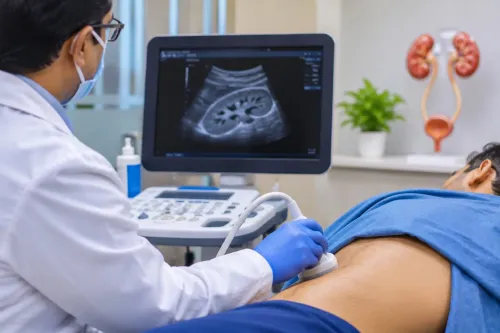
- Ultrasound for gallstones: Stones without symptoms often need follow-up, while gallbladder-wall thickening, fluid, or a blocked duct supports active treatment.
- CT scan for appendicitis: It can show an inflamed appendix, appendicolith, perforation, abscess, or another cause of pain. Uncomplicated findings may allow a carefully selected nonoperative plan; perforation or deterioration usually shifts care toward intervention.
A reassuring examination or improving test pattern supports follow-up only when you have clear safety-net instructions and timely reassessment.
What Happens During the Surgical Consultation
The surgeon’s recommendation follows the urgency of the condition, examination findings, test results, and your personal risks—not symptoms alone.
1. The surgeon asks when symptoms began, how they changed, and whether you have fever, vomiting, bleeding, weight loss, bowel or urinary changes, or a painful lump. They also ask about previous operations, medical conditions, allergies, pregnancy possibility, and your goals.
2. The examination may include your abdomen, hernia sites, skin, rectum, or another affected area. The surgeon checks for tenderness, guarding, swelling, obstruction, infection, an irreducible lump, or signs of poor blood supply.
3. The surgeon performs a medication review, including blood thinners, diabetes medicines, steroids, supplements, and allergies. They review blood tests, ultrasound, CT scans, and other reports, then order missing tests when the diagnosis or safety decision remains uncertain.
4. A surgical risk assessment covers anaesthesia, bleeding, infection, clots, heart or lung problems, recovery time, and conditions that raise risk. The discussion then compares urgent surgery, elective surgery, a minor surgical procedure in clinic, drainage, medicines, observation, or continued nonoperative care, including what warning signs require immediate reassessment.
How to Prepare for a Safe, Useful Surgical Review
Bring a one-page symptom timeline and records that let the surgeon verify it. To prepare for surgical consultation, note when pain began, its location, triggers, vomiting, fever, bowel changes, previous scans, and treatments tried. Do not rely on memory.
1. Bring previous operation records, discharge summaries, imaging reports and CDs, a current medicine list with doses, and your allergy history, including each reaction.
2. Record diabetes, heart or lung disease, blood thinners, smoking, pregnancy possibility, and when you last ate or drank.
3. Ask which diagnosis is suspected, which tests are needed, whether treatment is urgent, and what recovery restrictions apply.
Hinjawadi SuperSpeciality Hospital 08048033666 can coordinate examination, laboratory or imaging review, emergency assessment, surgical planning, and critical-care input when one condition involves several specialties.
Frequently asked questions
Which symptoms need emergency surgical assessment?
Seek emergency assessment for worsening abdominal pain, fever, persistent vomiting, abdominal swelling, or inability to pass stool or gas. Right-lower abdominal pain that worsens with movement also needs prompt attention.
When do appendicitis, gallstones, and hernias need surgery?
Surgery becomes more likely when appendicitis is suspected, gallstones cause repeated or complicated attacks, or a hernia becomes painful, trapped, or obstructed. A surgeon must assess the examination and test results.
When can drainage or medicines be enough?
Drainage can treat some collections of pus, while medicines or planned monitoring may suit selected infections, gallstone symptoms, or hernias without dangerous complications. The choice depends on the diagnosis and response to treatment.
Can symptoms alone confirm the need for surgery?
No. Symptoms overlap between conditions, so the surgeon may need an examination, blood tests, ultrasound, CT, or other investigations before recommending surgery.
How should you prepare for a surgical consultation?
Bring your medicine list, allergy details, previous reports, scan images, medical history, and a timeline of symptoms. Ask about the diagnosis, alternatives, risks, recovery, and warning signs.