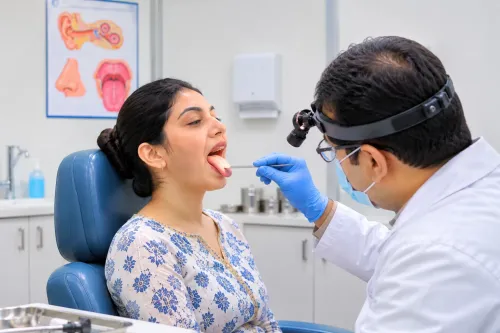

A chipped, decayed, painful, crowded, or missing tooth can have several treatment paths, and the quickest-looking option is not always the one that preserves the most healthy structure. By comparing preventive, restorative, cosmetic, orthodontic, and emergency care, you can arrive at a dental appointment ready to ask about risks, appointments, recovery, maintenance, and a written estimate.
Key takeaways
- Early decay without a cavity may need monitoring rather than immediate drilling.
- Choose repair, replacement, or extraction based on tooth structure, infection, and gum health.
- Ask about cleaning, bite forces, treatment limits, recovery, and total costs.
- Seek urgent dental care for facial swelling, fever, uncontrolled bleeding, or severe pain.
How dentists choose between monitoring, repair, replacement, and extraction
A dentist chooses treatment by weighing infection, remaining tooth structure, crack depth, gum and bone health, bite forces, appearance, cost, and your ability to clean the area. Monitoring suits early decay that has not formed a cavity or a stable restoration with no pain, leakage, or recurrent decay.
Treating too soon can remove sound tooth structure.
| Option | What it means | Main trade-off |
|---|---|---|
| Monitoring | Review, X-rays, fluoride, and hygiene | Preserves tooth; decay or cracks can progress |
| Fillings | Removes limited decay and restores the space | Conservative, but repeated replacement can enlarge and weaken the tooth |
| Composite fillings | Tooth-coloured resin bonded to enamel | Natural appearance; moisture control and heavy biting affect durability |
| Amalgam | Silver-coloured alloy restoration | Durable and economical; visible and requires more tooth preparation |
| Inlays and onlays | Laboratory-made restorations; an onlay covers one or more cusps | Stronger than a large filling; costs more and needs an appointment for fitting |
| Crown | Covers a heavily weakened tooth | Protects against fracture; requires substantial preparation |
| Root-canal treatment | Removes inflamed or infected pulp, then cleans and seals canals | Retains the tooth; a crown may be needed, and fracture or new decay remains possible |
| Extraction | Removes an unrepairable or hopeless tooth | Ends the source; leaves a gap requiring replacement |
| Bridge, implant, or denture | Replaces one or more missing teeth | A bridge uses neighbouring teeth, an implant needs bone, surgery, cleaning, and maintenance, while a denture is removable and can move |
Extraction is considered when a crack extends below the gum, too little tooth remains, or infection cannot be predictably controlled. A missing tooth does not always need immediate replacement, but shifting teeth, chewing difficulty, speech changes, and bone loss can influence that decision.
What happens during a modern dental consultation
A safe plan starts with a dental examination, not a procedure. The dentist checks teeth, fillings, cracks, gums, soft tissues, facial symmetry, and signs of infection, then records your symptoms, medical conditions, medicines, allergies, previous treatment, and treatment priorities.
The assessment may include:
- A bite assessment to identify premature contacts, grinding, jaw strain, or pressure that could damage a restoration.
- Periodontal probing, using a small instrument to measure gum-pocket depth and bleeding.
- Dental X-rays selected for your findings and history. Bitewing images reveal decay between teeth; imaging is not automatically needed at every visit.
- Intraoral photographs, colour records, scans, or impressions to document starting conditions and plan crowns, aligners, veneers, or implants.
Compare the plan by more than its headline price. Ask how many visits involve treatment, how long each visit lasts, whether laboratory work creates a waiting period, and what eating, work, exercise, or driving restrictions follow.
| Option | Appointment count and treatment time | Recovery and maintenance | Written estimate |
|---|---|---|---|
| Filling | Usually one visit; immediate treatment | Little recovery; brush and attend check-ups | Include material and any X-ray |
| Crown | Preparation plus fitting; laboratory delay | Sensitivity is possible; clean around the margin | Include temporary crown and laboratory fee |
| Implant | Surgery, healing, then crown over months | Surgical recovery; daily cleaning and professional maintenance | Separate implant, abutment, crown, imaging, and review fees |
Request the estimate in writing, including alternatives, exclusions, review visits, and what happens if the tooth or gum condition changes. Consent should cover benefits, risks, lifespan, and the option to monitor.
Preventive treatment that protects teeth and gums
Brush twice daily with toothpaste containing 1,000–1,500 ppm fluoride. Spit after brushing instead of rinsing thoroughly, and keep toothpaste out of a young child’s stomach. Clean between teeth daily with floss or interdental brushes; frequent sugary snacks feed plaque and raise decay risk.
| Treatment | More useful when | What it prevents or cannot fix |
|---|---|---|
| Fluoride treatment | Decay risk is high, or teeth have exposed roots or dry-mouth risk | Strengthens enamel; it does not repair a cavity |
| Dental sealants | Deep pits and fissures on back teeth face repeated decay | Covers vulnerable grooves; inspect for chips or leakage |
| Professional cleaning | Plaque has hardened into calculus or brushing leaves deposits | Removes deposits; routine polishing does not treat periodontitis |
| Gum treatment | Bleeding, deep pockets, bone loss, or loose teeth indicate disease | Scaling and root planing control infection; advanced disease may need surgery |
Choose professional cleaning for deposits you cannot remove at home, not simply to make teeth look brighter. Choose gum treatment when periodontal disease is present; delaying it allows inflammation and bone loss to continue. Maintenance visits and daily plaque control remain necessary because periodontitis is chronic.
A fluoride treatment or sealant protects a tooth before damage occurs. Whitening, bonding, and veneers change appearance but cannot stop decay or gum destruction. Treat active cavities, leaking fillings, or gum disease first.
A dentist may order bitewing X-rays when decay between teeth is suspected, based on your examination, risk, age, and previous images rather than automatically.
Cosmetic and orthodontic treatments: what they can and cannot change
Whitening changes the colour of natural enamel and dentin, but it does not lighten crowns, veneers, fillings, or bonding. Temporary sensitivity and gum irritation are common; whitening over untreated problems can cause pain or chemical burns.
| Treatment | What it can improve | What it cannot change |
|---|---|---|
| Teeth whitening | Staining and the overall shade of natural teeth | The colour of restorations, tooth shape, alignment, or bite |
| Veneers | Visible colour, small chips, gaps, and some shape irregularities | The underlying bite or active disease; placement often removes some enamel |
| Clear aligners | Many mild-to-moderate crowding, spacing, and bite problems | Every rotation, eruption problem, or complex tooth movement; success requires prescribed wear |
| Braces | Alignment, rotations, eruption, and a wider range of bite problems | Permanent results without retainers; teeth can relapse after any orthodontic method |
Treat active decay before cosmetic treatment. An intact early lesion may respond to fluoride, plaque control, dietary changes, and monitoring, but a cavity with a visible hole usually needs a restoration. Repair leaking fillings, crowns, or veneers first; otherwise whitening or orthodontic movement can leave an unstable tooth untreated.
Treat gum disease before moving teeth or pursuing a smile makeover. Depending on severity, care can include tailored brushing instruction, scaling and root planing, or periodontal surgery. Gum health still requires plaque control and maintenance visits after treatment.
Choose based on the problem, not the label. Whitening changes shade, veneers mask selected surface defects, and orthodontics changes tooth position and bite; none replaces disease treatment.
Pain, recovery, and symptoms that need urgent dental care
Local anaesthesia usually blocks pain during fillings, extractions, root-canal treatment, and gum procedures. You remain awake and may feel pressure, vibration, or movement, but report sharp pain immediately. Numbness commonly lasts several hours; avoid chewing hot food or biting your cheek until feeling returns. Mild soreness or sensitivity should improve, not steadily worsen.
That is the practical promise of pain-free dentistry.
Use this checklist to decide whether you have a dental emergency:
- Seek urgent dental assessment for facial swelling, worsening toothache, pus, fever, chills, or feeling markedly unwell. A spreading infection can require drainage, root-canal treatment, extraction, and selected antibiotic use; antibiotics alone do not remove the source.
- Treat uncontrolled bleeding as urgent. Apply firm pressure with clean gauze while arranging care; persistent heavy bleeding needs emergency assessment.
- For a knocked-out permanent tooth, hold it by the crown, gently rinse visible dirt without scrubbing the root, and replant it promptly if safe. If that is impossible, store it in milk or tooth-preservation solution. Never replant a baby tooth.
- Go to hospital-level care for difficulty breathing or swallowing, rapidly increasing neck or facial swelling, major jaw injury, or facial trauma with loss of consciousness.
Hinjawadi SuperSpeciality Hospital 08048033666 can assess facial trauma, airway symptoms, uncontrolled bleeding, and spreading infection when imaging, maxillofacial surgery, drainage, or hospital monitoring is needed rather than a routine appointment.
Related services
Dental ₹1200 Comprehensive dental care combines advanced diagnostics, preventive therapies, and restorative treatments to preserve oral health, restore function,... |
₹2000 Maxillofacial surgery is a specialized surgical discipline focused on diagnosing and treating complex conditions of the face, jaws, head, and neck. View service → |
Frequently asked questions
How does a dentist choose between monitoring, repairing, replacing, and extracting a tooth?
The decision depends on infection, remaining tooth structure, crack depth, gum and bone health, bite forces, appearance, cost, and whether you can clean the area. Monitoring suits early decay without a cavity or a stable restoration without pain, leakage, or recurrent decay.
What happens during a modern dental consultation?
The dentist reviews your symptoms and medical history, examines your teeth and gums, checks your bite, and orders X-rays or other tests when needed. You should receive an explanation of the diagnosis, treatment alternatives, risks, recovery, maintenance, and expected costs.
What preventive treatments protect teeth and gums?
Prevention includes brushing twice daily with fluoride toothpaste, cleaning between teeth, professional examinations and cleanings, fluoride treatment when indicated, controlling sugary snacks and drinks, and treating gum inflammation before it progresses.
What dental symptoms need urgent care?
Seek urgent care for facial or gum swelling, fever with tooth pain, difficulty breathing or swallowing, uncontrolled bleeding, a knocked-out permanent tooth, or severe pain that does not improve with recommended pain relief.
Related services
Dermatology ₹700 Dr. Aditi Shende OPD Consultant – Dermatology, Venereology & Leprosy Dr. |
Radiology ₹1000 Radiology is a vital medical specialty that uses advanced imaging techniques—such as X-rays, CT scans, MRIs, and ultrasounds—to diagnose and treat... |
₹500 also known as Internal Medicine is the medical specialty focused on the prevention, diagnosis, and non-surgical management of illnesses in adults. View service → |
Pediatrics ₹700 From the very first cry of a newborn to the complex challenges of adolescence, the journey of growing up is a period of incredible transformation. |