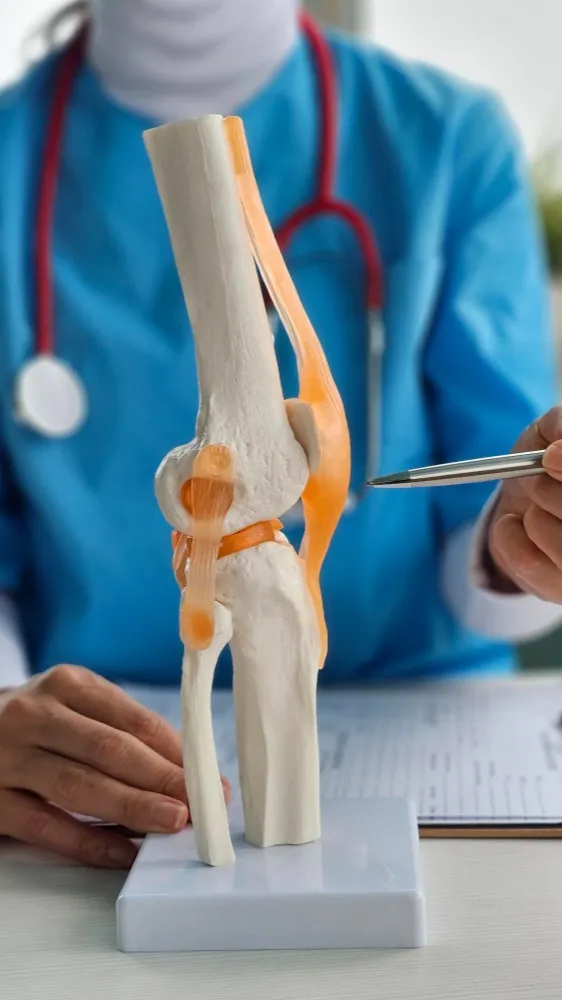
Joint pain can begin after an injury, repetitive activity, age-related changes, prolonged sitting, sports participation, heavy physical work, or an underlying musculoskeletal condition. Some discomfort settles with rest. Persistent pain, swelling, stiffness, weakness, limited movement, or difficulty walking deserves a proper orthopedic assessment.
For people in Pune, Maharashtra, timely orthopedic evaluation can help identify the actual source of symptoms before reduced mobility starts affecting work, exercise, sleep, plus everyday independence.
What Does Orthopedics Cover?
Orthopedics focuses on conditions involving bones, joints, muscles, ligaments, tendons, plus related structures. An orthopedic consultation is not limited to fractures or major injuries.
People commonly seek orthopedic care for
- Knee pain
- Shoulder pain
- Back discomfort
- Neck pain
- Hip problems
- Sports injuries
- Fractures
- Ligament injuries
- Joint stiffness
- Arthritis symptoms
- Muscle or tendon injuries
- Reduced mobility
The same symptom can have several possible causes. Knee pain, for example, may arise from cartilage wear, ligament injury, inflammation, trauma, altered alignment, or excessive mechanical load.
Warning Signs That Deserve Attention
Mild discomfort after unusual physical activity may improve gradually. Certain symptoms should receive greater attention.
Arrange an evaluation when pain persists, repeatedly returns, interferes with normal movement, or becomes progressively stronger.
Other important signs include
- Noticeable joint swelling
- Difficulty bearing weight
- Joint instability
- Reduced range of motion
- Persistent pain after an injury
- Visible deformity following trauma
- Recurrent sports-related discomfort
- Pain that regularly interrupts sleep
A significant injury with severe pain, deformity, loss of movement, or inability to bear weight may require urgent assessment.
Why Diagnosis Matters Before Treatment
Pain location alone does not establish a diagnosis. A clinician may assess how the symptoms began, which movements aggravate them, whether an injury occurred, plus how the problem affects daily activities.
Physical examination can evaluate tenderness, joint movement, strength, stability, posture, plus functional limitations.
Depending on the clinical findings, investigations may include X-rays, ultrasound, MRI, blood tests, or other appropriate studies.
The purpose is to determine what structure is affected plus how severely it has been affected.
Treatment Does Not Automatically Mean Surgery
A common concern among patients is that visiting an orthopedic specialist will immediately lead to surgery. Many musculoskeletal conditions can initially be managed through conservative measures when clinically appropriate.
Management may include
- Activity modification
- Physiotherapy
- Exercise rehabilitation
- Medication prescribed according to clinical need
- Supportive devices
- Weight-management guidance when relevant
- Injection-based treatment in selected cases
- Follow-up monitoring
Surgery becomes a consideration when the diagnosis, severity, functional limitation, response to previous treatment, plus overall health make a procedure appropriate.
Do Not Ignore Repeated Mobility Problems
People sometimes adapt to chronic pain by walking differently, avoiding stairs, reducing exercise, or relying heavily on the unaffected side. These adjustments may make daily life manageable temporarily, yet they do not explain why the problem continues.
A clinical evaluation is particularly useful when a previously manageable problem begins restricting routine activity.
Residents of Hinjawadi plus nearby parts of Pune may also benefit from choosing a facility where imaging, specialist consultation, rehabilitation guidance, plus surgical support can be coordinated when required.
Hinjawadi SuperSpeciality Hospital provides orthopedic services within a multispeciality healthcare setting in Pune. Patients should bring previous scans, prescriptions, medical reports, plus a clear history of earlier treatment when attending a consultation.
Orthopedic care works best when treatment begins with an accurate diagnosis. Persistent bone, joint, muscle, or mobility problems deserve assessment based on their cause rather than repeated symptom management alone.
Keywords