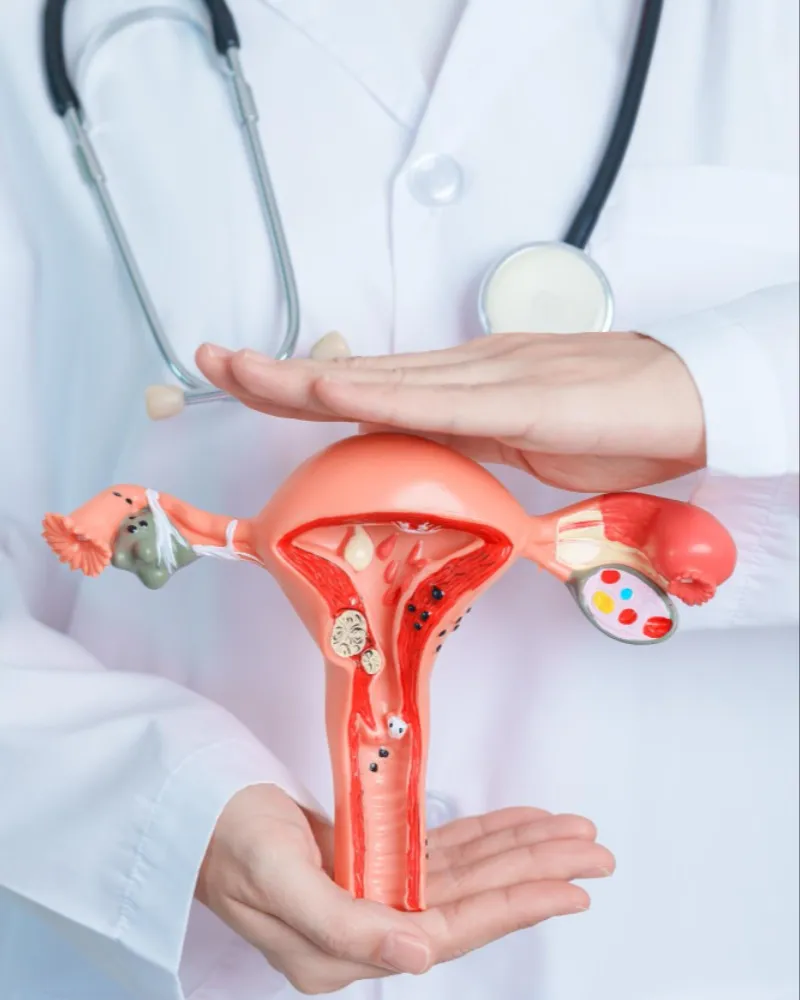
Menstrual changes, pelvic discomfort, unusual bleeding, reproductive concerns, plus symptoms around menopause are common reasons women seek Gynecology care. Some symptoms may have straightforward explanations, while others require investigation to identify hormonal, structural, reproductive, or medical causes.
Women in Pune, Maharashtra, can benefit from seeking medical assessment when symptoms persist rather than assuming every menstrual or pelvic change is normal.
Irregular Periods Can Have Different Causes
A menstrual cycle can occasionally change because of stress, travel, changes in body weight, illness, plus other temporary influences.
Repeated irregularity deserves more attention.
A gynecologist may evaluate factors such as cycle frequency, bleeding pattern, associated pain, medications, pregnancy possibility, hormonal symptoms, plus medical history.
Depending on the findings, tests may be recommended to investigate conditions such as PCOS, thyroid-related abnormalities, anemia, fibroids, plus other possible causes.
Heavy Bleeding Should Be Properly Assessed
Heavy menstrual bleeding can interfere with work, sleep, travel, exercise, plus routine activity. Prolonged blood loss may also contribute to iron deficiency or anemia.
Medical assessment is particularly useful when bleeding becomes significantly heavier than usual, lasts unusually long, occurs between periods, or develops after a previous pattern of predictable cycles.
Treatment depends on the cause rather than bleeding alone.
Pelvic Pain Is Not One Single Condition
Pelvic pain can arise from reproductive organs, urinary structures, digestive conditions, muscles, plus other sources.
Gynecological causes may include ovarian cysts, endometriosis, infections, fibroids, plus other conditions.
The timing of pain can provide useful clues. Pain occurring around menstruation may suggest a different pattern from sudden severe pain or discomfort linked to urination.
Persistent symptoms should therefore be evaluated rather than repeatedly treated with pain-relief medicines without understanding their source.
Reproductive Health Consultations
Gynecologists also support women with preconception planning, fertility-related concerns, pregnancy care, contraceptive guidance, plus reproductive health questions.
A preconception consultation can be useful when a woman wants to review medications, existing medical conditions, vaccination history, nutritional considerations, plus other factors before pregnancy.
Fertility concerns require individual assessment because reproductive difficulties can have multiple contributing factors.
Changes Around Menopause
Menopause is a natural life stage, yet symptoms vary significantly.
Women may experience hot flashes, sleep changes, vaginal dryness, mood changes, altered menstrual patterns, plus changes in bone-health risk.
Clinical advice can help distinguish expected menopausal changes from symptoms that need further investigation.
Bleeding after menopause should be medically evaluated rather than assumed to be part of normal aging.
What to Prepare Before a Gynecology Visit
Patients can make consultations more useful by keeping basic information ready.
Consider noting
- Date of the last menstrual period
- Typical cycle length
- Changes in bleeding
- Duration of symptoms
- Current medications
- Previous pregnancies
- Previous gynecological procedures
- Relevant laboratory or ultrasound reports
- Family medical history when relevant
Clear information helps the clinician understand patterns that may not be obvious during a single appointment.
Women seeking Gynecology services in Pune may prefer access to diagnostic facilities plus other medical specialties when a condition requires broader evaluation. Hinjawadi SuperSpeciality Hospital provides gynecological care within a multispeciality setting, allowing relevant investigations plus specialist input to be coordinated according to clinical need.
Women do not need to wait until symptoms become severe before discussing reproductive or gynecological health. Persistent changes, unusual bleeding, recurring pelvic pain, plus concerns about fertility or menopause are reasonable reasons to seek professional assessment.
4. Dental Care in Pune Everyday Signs That Should Not Be Ignored
Dental problems often begin quietly. Mild sensitivity, occasional gum bleeding, a small cavity, or slight discomfort while chewing may appear manageable at first. Without appropriate care, some dental conditions can progress until treatment becomes more extensive.
Regular Dental assessment is therefore not limited to people experiencing severe toothache.
For families in Pune, Maharashtra, understanding early warning signs can help protect teeth, gums, plus overall oral function.
Bleeding Gums Deserve Attention
People sometimes assume gum bleeding during brushing is normal. Frequent bleeding may indicate gum inflammation.
Plaque accumulation near the gum line can contribute to gingivitis. Without proper oral hygiene plus professional assessment when required, inflammation can progress deeper around the supporting structures of teeth.
Other signs of gum problems include
- Swollen gums
- Persistent bad breath
- Gum tenderness
- Receding gums
- Loose teeth
- Discomfort while chewing
Early evaluation can identify the stage of the problem plus the appropriate treatment.
Tooth Sensitivity Has Several Possible Causes
Sensitivity to cold, heat, sweet foods, or brushing can occur due to enamel wear, gum recession, tooth decay, cracks, plus other dental conditions.
Desensitizing toothpaste may help some people, yet recurring sensitivity should not automatically be self-treated indefinitely.
A dental examination can determine whether the discomfort is simply sensitivity or a symptom of a condition requiring treatment.
Small Cavities May Not Cause Severe Pain
Tooth decay can develop without obvious symptoms during its earlier stages.
As decay progresses deeper into the tooth, sensitivity or pain may appear. Advanced involvement can eventually affect the dental pulp, potentially requiring more extensive treatment.
This is one reason preventive dental examinations can be useful even when a person feels comfortable.
Toothache Needs Diagnosis
Pain does not identify the exact dental problem.
Toothache may result from
- Tooth decay
- Pulp inflammation
- Dental infection
- Gum problems
- Cracked teeth
- Impacted teeth
- Trauma
- Problems involving nearby structures
The appropriate treatment depends on the cause.
Repeatedly using painkillers without dental assessment may temporarily reduce discomfort while leaving the underlying problem untreated.
What About Broken Teeth?
A tooth may fracture because of injury, biting a hard object, extensive decay, or structural weakness.
Even when the broken area does not initially hurt, a dentist should assess the remaining tooth structure.
Treatment possibilities depend on the extent of damage. Restorative treatment, root canal therapy, a crown, extraction, or another approach may be considered according to clinical findings.
Preventive Dental Habits Still Matter
Daily habits remain central to oral health.
Useful practices include
- Brushing thoroughly twice daily
- Cleaning between teeth
- Limiting frequent sugary snacks
- Avoiding tobacco
- Cleaning the tongue
- Replacing worn toothbrushes
- Attending dental assessments according to individual need
Children, older adults, people with existing gum problems, plus patients with certain medical conditions may require individualized dental follow-up.
Choosing Dental Care Within a Hospital Setting
Some patients have medical conditions that need to be considered before dental treatment. Diabetes, cardiovascular disease, anticoagulant use, allergies, pregnancy, kidney disease, plus other factors can influence treatment planning.
Accurate medical history is therefore important.
Hinjawadi SuperSpeciality Hospital provides Dental services in Pune as part of its multispeciality care environment. Patients should inform their dentist about ongoing medications, previous medical procedures, allergies, plus significant health conditions before treatment.
Oral health problems are usually easier to manage when detected early. Persistent sensitivity, gum bleeding, tooth pain, swelling, broken teeth, plus changes inside the mouth should receive appropriate dental evaluation rather than being ignored until discomfort becomes severe.
Keywords