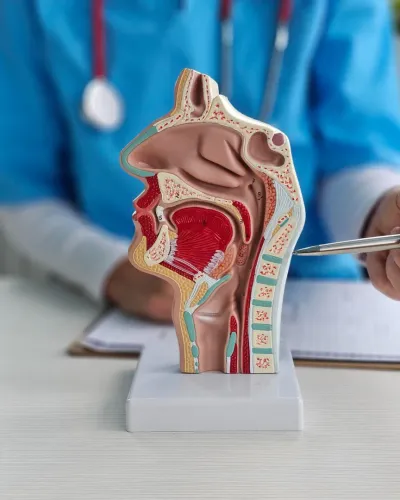

Not every health problem clearly belongs to a particular specialty. Fever, weakness, dizziness, unexplained fatigue, recurring headaches, appetite changes, cough, digestive discomfort, plus fluctuations in blood pressure can have many possible causes. General Medicine often provides an appropriate starting point when adults have symptoms requiring broad clinical evaluation.
For patients in Pune, Maharashtra, a physician consultation can help organize symptoms, medical history, examination findings, plus investigations into a clearer diagnostic direction.
When a Physician Can Be the Right Starting Point
People commonly consult a General Medicine physician for concerns such as
- Fever
- Respiratory infections
- Persistent fatigue
- Diabetes management
- High blood pressure
- Thyroid-related concerns
- Unexplained weakness
- Dizziness
- Digestive symptoms
- Routine medical evaluation
- Multiple symptoms without a known cause
A physician can assess the overall clinical picture rather than focusing on a single organ system.
Persistent Fever Needs Proper Assessment
Fever is a symptom rather than a diagnosis.
Short-term fever can occur with common infections. Persistent or recurrent fever may require further evaluation based on accompanying symptoms, duration, exposure history, examination findings, plus the patient's general health.
Self-medication can sometimes mask symptoms without addressing their cause.
People should seek prompt medical attention when fever is associated with severe weakness, breathing difficulty, confusion, persistent vomiting, dehydration, chest pain, or another significant symptom.
Chronic Conditions Need Ongoing Monitoring
General Medicine also plays an important role in long-term disease management.
Conditions such as diabetes plus hypertension may remain relatively silent while still affecting health over time.
Regular monitoring can include
- Blood pressure review
- Blood glucose assessment
- Medication review
- Kidney function testing when indicated
- Cholesterol assessment
- Lifestyle evaluation
- Screening for complications
Treatment should be adjusted according to clinical findings rather than changed independently.
Multiple Medicines Require Careful Review
Adults managing several medical conditions may take multiple medicines prescribed at different times.
A physician should know about prescription medicines, over-the-counter products, supplements, plus herbal preparations because interactions or duplicate treatment can sometimes occur.
Patients should avoid stopping long-term medicines simply because symptoms have improved unless the treating clinician advises a change.
When Specialist Referral Becomes Useful
General Medicine can also act as a coordination point.
If evaluation suggests a problem involving the heart, kidneys, nervous system, urinary system, skin, or another specialty area, the physician may recommend targeted specialist assessment.
This is especially useful when symptoms overlap.
For example, swelling in the legs may require consideration of cardiovascular, kidney, medication-related, plus other causes. Dizziness may have neurological, cardiovascular, metabolic, or ear-related explanations.
The objective is to direct the patient toward the appropriate next step based on evidence.
Prepare for the Consultation
Patients can improve the quality of a medical consultation by bringing
- Current medication details
- Previous prescriptions
- Recent laboratory reports
- Imaging reports
- Hospital discharge summaries
- A list of current symptoms
- Relevant home blood pressure or glucose readings
Mention when symptoms began plus whether they are changing.
Hinjawadi SuperSpeciality Hospital provides General Medicine services within a multispeciality hospital setting in Pune. This can be useful when diagnostic testing or referral to another department becomes clinically necessary.
Persistent symptoms should not be judged only by how tolerable they feel. A problem that repeatedly returns, changes significantly, or interferes with routine life deserves appropriate medical evaluation. General Medicine can provide a practical first step toward identifying the cause plus planning suitable care.
Keywords